| American Daylight Time |
|---|
The following cities are presented as an example of cities across the country.
The graphs show sunrise to sunset in white and twilight in gray from January 1st (top line of graph) to December 31st (bottom line of graph) for 2026.
The right hand graphs and captions show the effect of Permanent DST.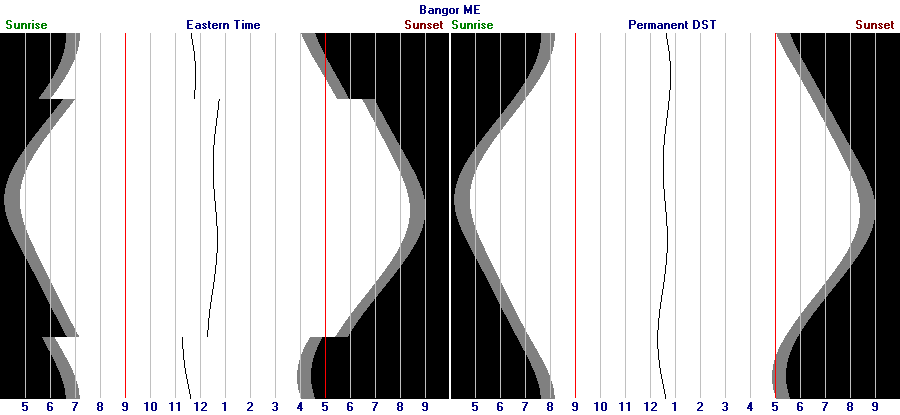 Bangor will receive the benefit of a 4:54pm earliest sunset in winter at the cost of a 8:12am latest sunrise. (Bangor represents the area on the extreme eastern edge of the Eastern Time zone.) 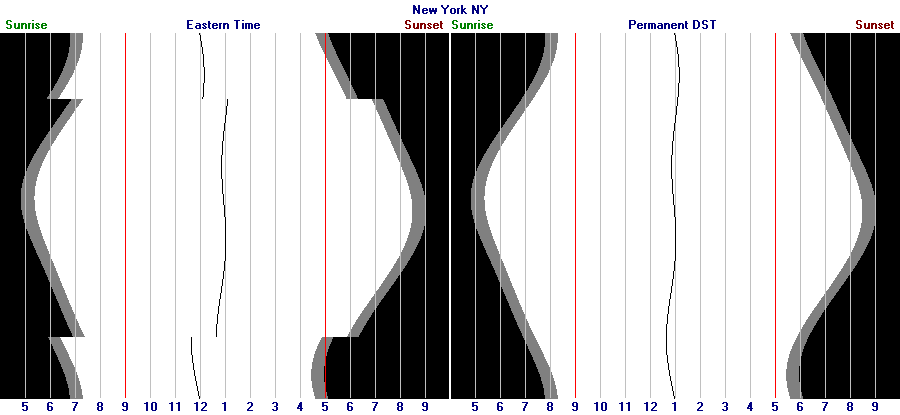 New York will receive the benefit of a 5:28pm earliest sunset in winter at the cost of a 8:20am latest sunrise. 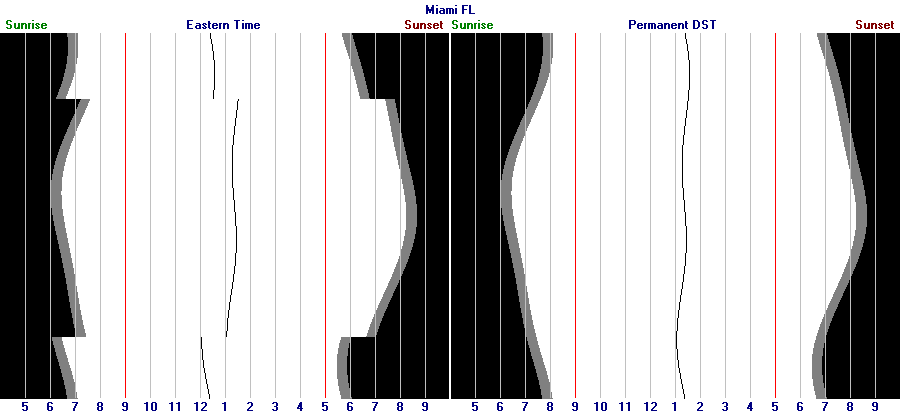 Miami will receive the benefit of a 6:29pm earliest sunset in winter at the cost of a 8:09am latest sunrise. (Miami represents the south east corner of the contiguous 48 States.) 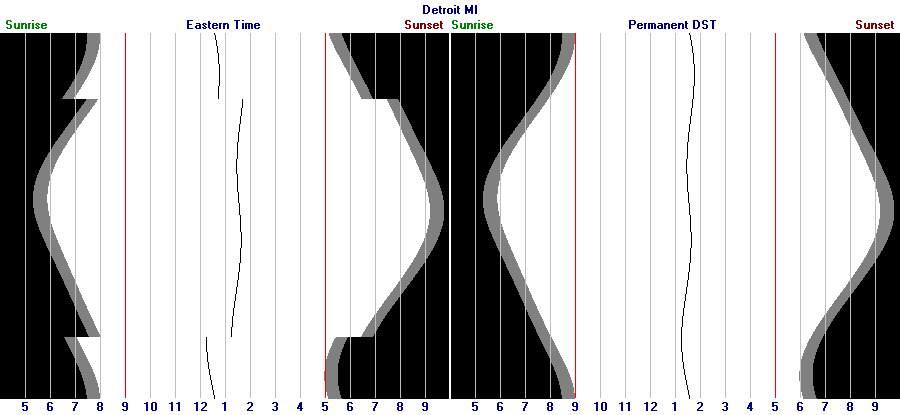 Detroit will receive the benefit of a 5:59pm earliest sunset in winter at the cost of a 9:01am latest sunrise. 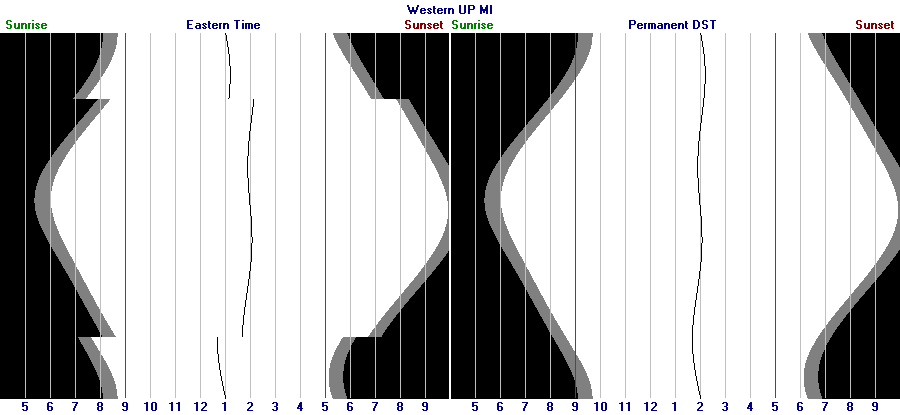 Western UP MI will receive the benefit of a 6:09pm earliest sunset in winter at the cost of a 9:43am latest sunrise. (This location represents the area on the extreme western edge of the Eastern Time zone.) 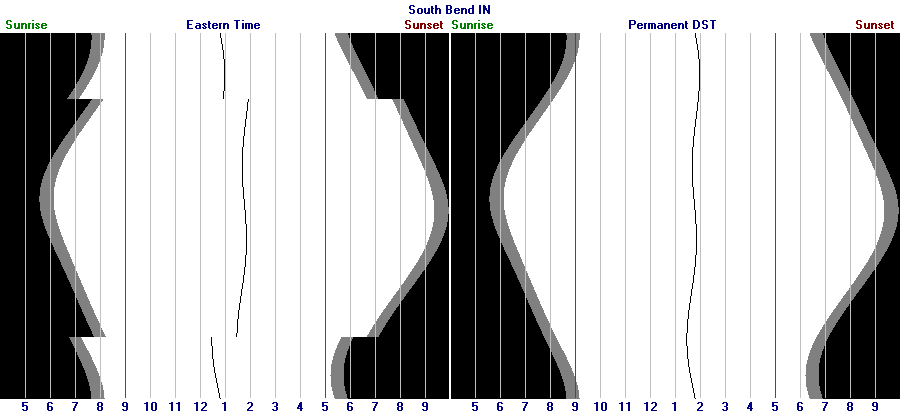 South Bend will receive the benefit of a 6:14pm earliest sunset in winter at the cost of a 9:12am latest sunrise. 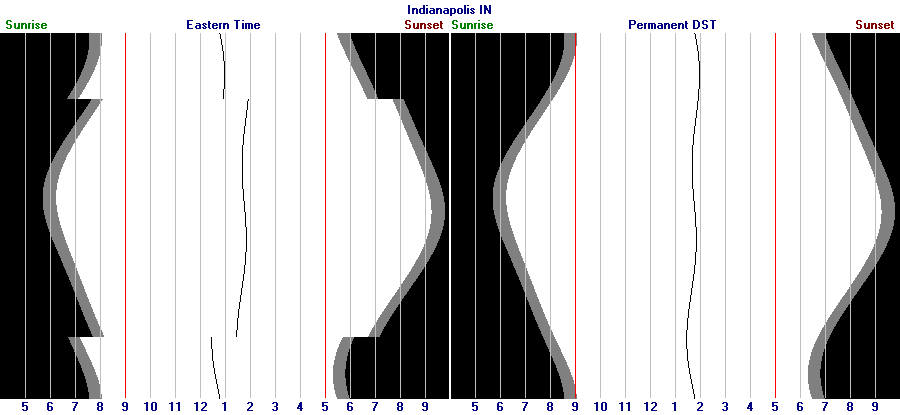 Indianapolis will receive the benefit of a 6:19pm earliest sunset in winter at the cost of a 9:06am latest sunrise. 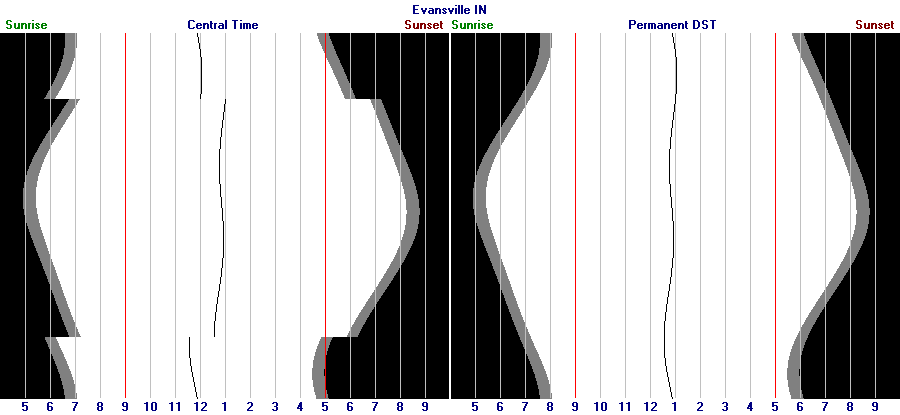 Evansville will receive the benefit of a 5:30pm earliest sunset in winter at the cost of a 8:06am latest sunrise. 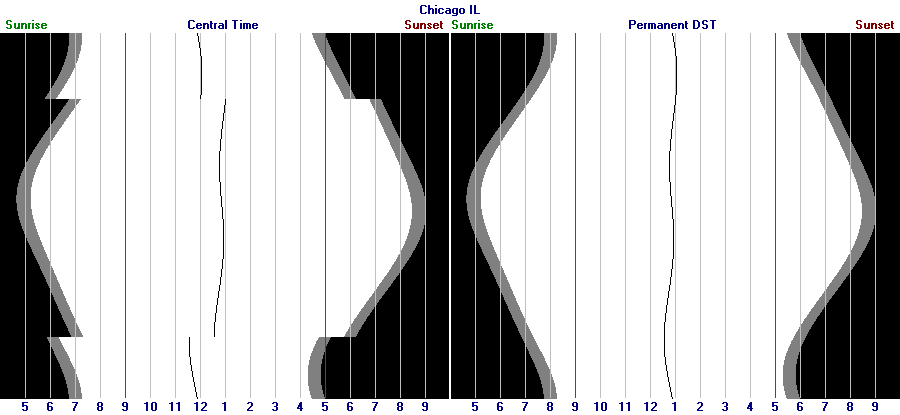 Chicago will receive the benefit of a 5:19pm earliest sunset in winter at the cost of a 8:18am latest sunrise. 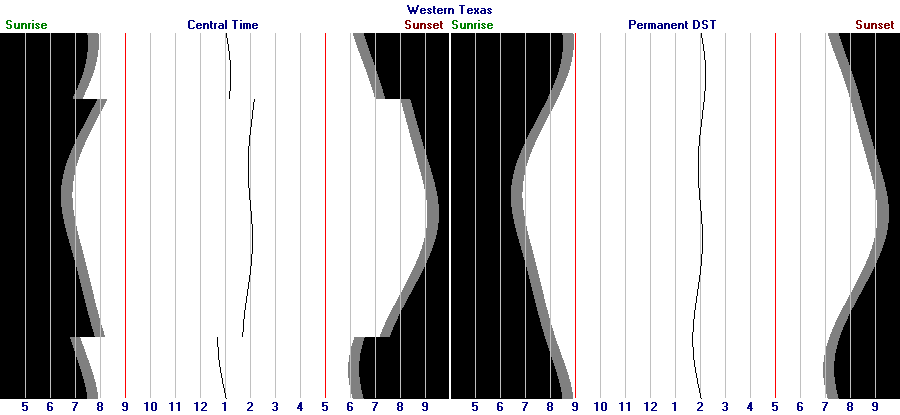 Western TX will receive the benefit of a 6:56pm earliest sunset in winter at the cost of a 8:58am latest sunrise. (This represents the area on the extreme western edge of the Central Time zone.) 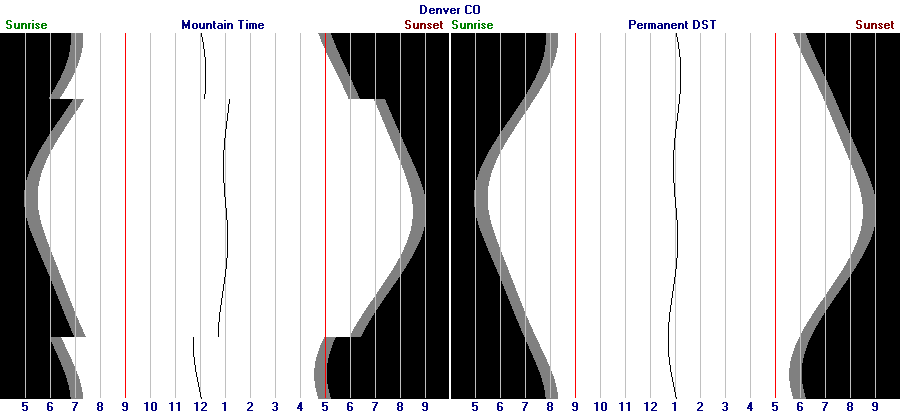 Denver will receive the benefit of a 5:35pm earliest sunset in winter at the cost of a 8:21am latest sunrise. 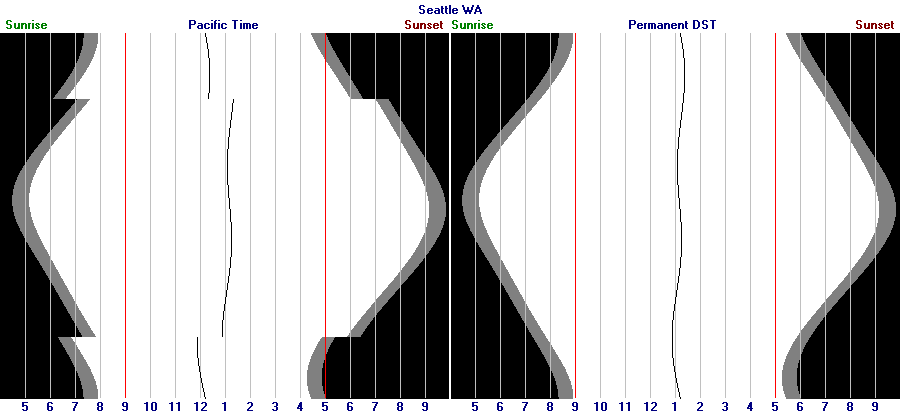 Seattle will receive the benefit of a 5:17pm earliest sunset in winter at the cost of a 8:57am latest sunrise. (Seattle represents the north west corner of the contiguous 48 states.) 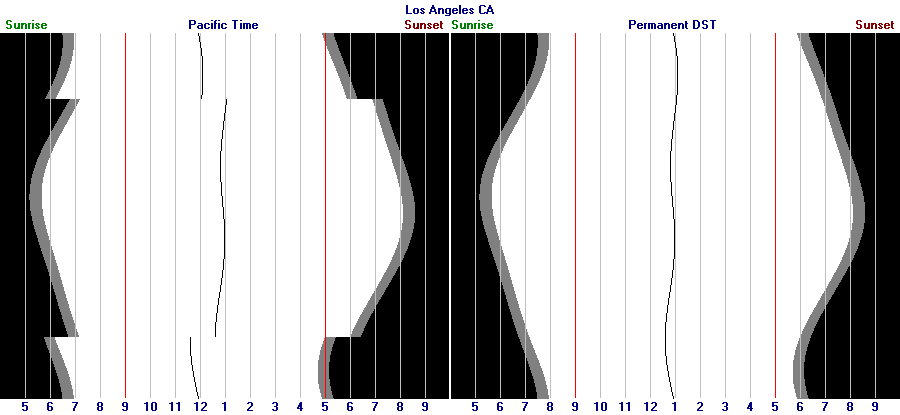 Los Angeles will receive the benefit of a 5:43pm earliest sunset in winter at the cost of a 7:59am latest sunrise. 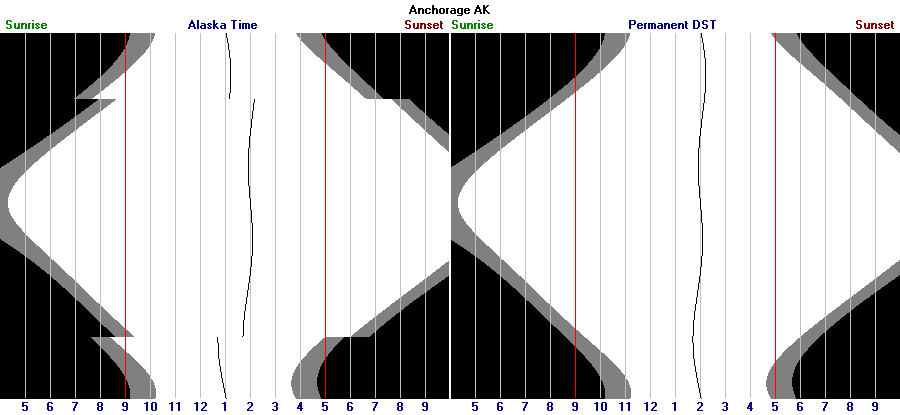 Anchorage will receive the benefit of a 4:40pm earliest sunset in winter at the cost of a 11:15am latest sunrise. (The shortest day is 5hr 27min. Adjusting the clock to create a constant "9-5" daylight period is not possible.) 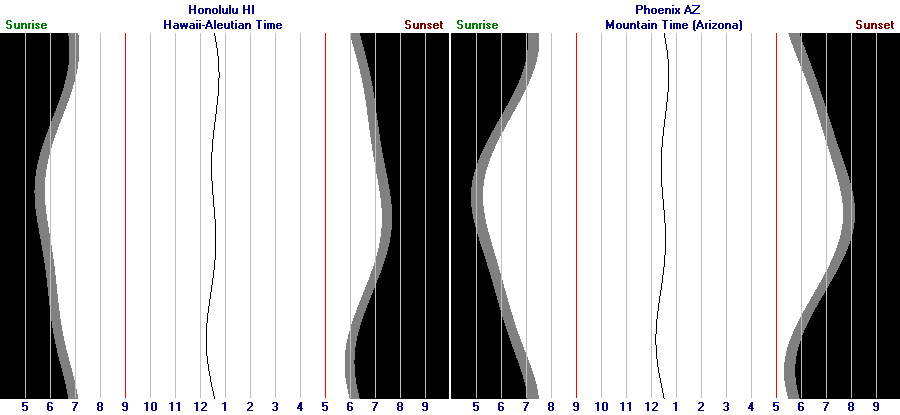 Two states currently do not observe Daylight Saving Time: Hawaii and Arizona. Puerto Rico, American Samoa, Guam and the Northern Mariana Islands do not observe DST. |